
Whether you lose Vietnamese citizenship after U.S. naturalization is a common question among many Vietnamese who have settled in the United States. Can Vietnamese nationals retain dual citizenship after becoming naturalized U.S. citizens? Letu2019s explore the details with ICAFAS below.
Do you lose Vietnamese citizenship after U.S. naturalization?
Under the Law on Vietnamese Nationality, Vietnamese citizens residing abroad may still retain their Vietnamese citizenship, except in cases where they voluntarily renounce it or are deprived of it. Under U.S. immigration and nationality law, a person may hold dual citizenship. The United States does not prohibit its citizens from acquiring another nationality and does not require them to choose only one citizenship.

Therefore, after obtaining U.S. citizenship, Vietnamese citizens do not lose their Vietnamese citizenship and may retain dual citizenship status, except in certain cases where citizenship is revoked in accordance with the law. This is an advantage for Vietnamese living in the United States compared to many other countries. For example, in Germany, the Netherlands, and Japan, individuals are generally required to renounce their original citizenship in order to acquire a new one.
Các giấy tờ chứng minh quốc tịch
Legally valid documents proving that a person holds the nationality of a country include:nFor Vietnamese citizenship:
1. A birth certificate clearly indicating Vietnamese nationality. If Vietnamese nationality is not clearly stated, documents proving that the parents hold Vietnamese nationality are required.
2. National ID Card / Citizen Identification Card
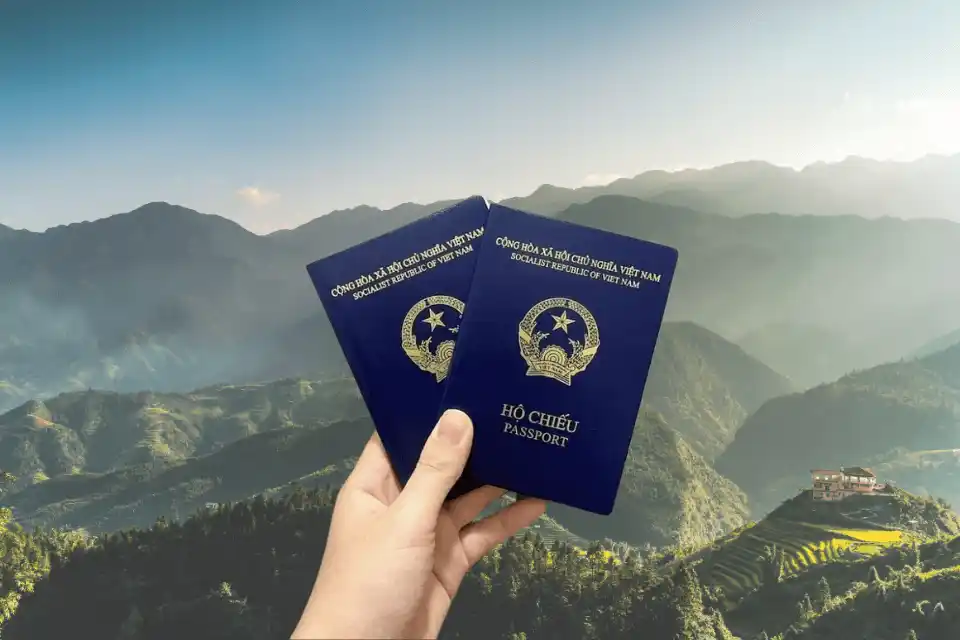
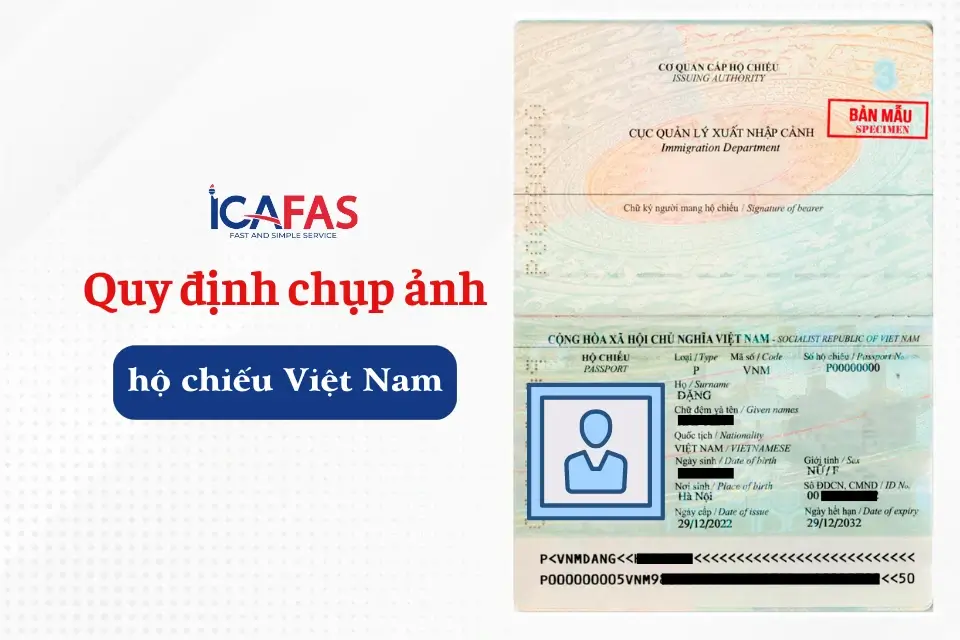
A Vietnamese passport
A decision granting Vietnamese citizenship or a decision permitting the restoration of Vietnamese citizenship, etc
For U.S. citizenship:
1. A U.S. birth certificate or a Consular Report of Birth Abroad (CRBA)
2. A U.S. passport
3. Certificate of Citizenship
4. Certificate of Naturalization
Important notes when holding dual U.S. - Vietnamese citizenship
Citizens holding dual nationality are required to comply with the laws of both countries. In addition, they should also take note of the following points:
Renew your passport periodically
A passport is one of the primary proofs of citizenship, so you should ensure that both your U.S. and Vietnamese passports remain valid. For a Vietnamese passport, Vietnamese citizens residing in the United States may renew their passport at the Vietnamese Embassy or Consulates in the U.S.

For a U.S. passport, you may refer to the procedures on the website of the U.S. Department of State.
Using passports when traveling to Vietnam
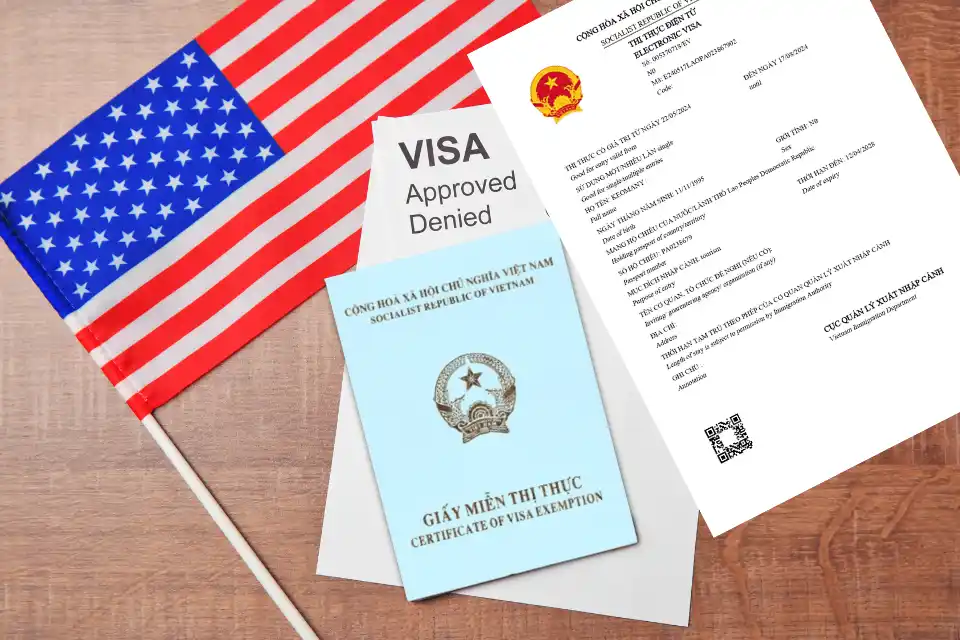
In general, dual U.S.u2013Vietnamese citizens may use their passports as follows when traveling to Vietnam:n- When entering or leaving the United States: Use a U.S. passport, as the U.S. government requires its citizens to enter and exit the country using a U.S. passport.n- When entering or leaving Vietnam: Use a Vietnamese passport, or a U.S. passport with a valid Vietnamese visa. It is recommended to use a Vietnamese passport, as citizens will not need to apply for a visa to enter Vietnam.nRead more: How is a Vietnamese passport used for entry and exit procedures?
Different names on passports
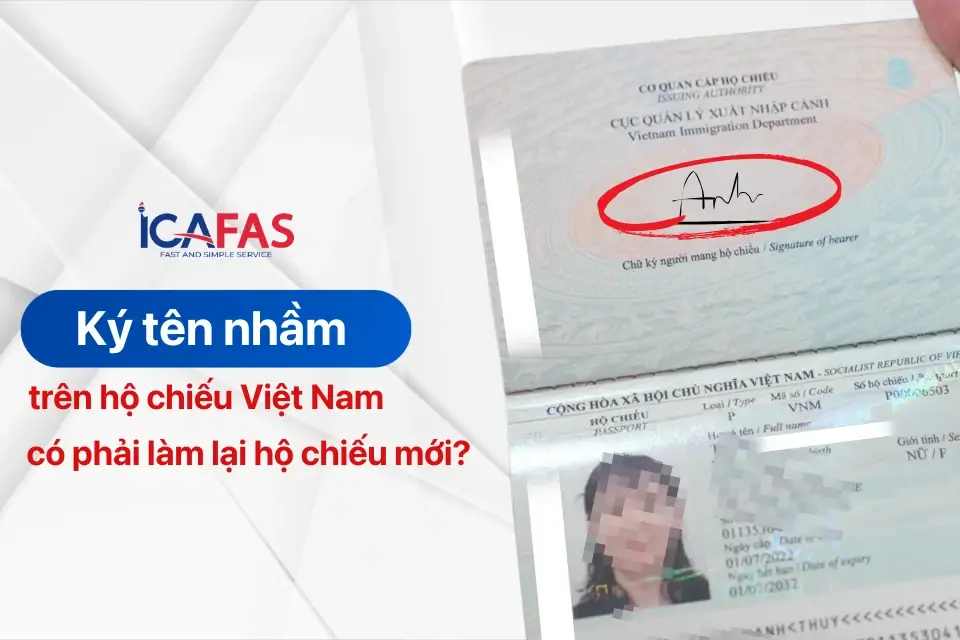
If the name on your U.S. passport differs from the name on your Vietnamese passport, you should complete the procedure to add an annotation of your new name to your Vietnamese passport to demonstrate that you hold dual citizenship and that both passports belong to you. This will make the entry and exit process more convenient.

Conclusion
In summary, Vietnamese nationals who obtain U.S. citizenship do not lose their Vietnamese citizenship and may retain dual citizenship status, except in certain cases where citizenship is revoked in accordance with the law.