
In recent years, healthcare quality in Vietnam has improved significantly, making many people from the U.S. especially Vietnamese residents - more confident about returning to Vietnam for medical care. Compared with the U.S., Canada, and many European countries, medical costs in Vietnam are generally lower, and scheduling appointments is often easier and more flexible.
Advantages of receiving medical treatment in Vietnam
In recent years, Vietnam has increasingly become a destination for foreigners and overseas Vietnamese seeking medical care. This trend is driven by various factors, including not only cost but also patient experience and flexibility.
Healthcare service quality continues to improve
Vietnam’s healthcare system has improved in facilities, medical equipment, and the expertise of doctors.
International medical cooperation has also expanded, enabling many major, private, and international hospitals to better provide specialized care, screening, and treatment under modern standards.
Lower medical costs
Compared with the U.S., Canada, or Europe, the cost of medical consultations, tests, and treatment in Vietnam is often significantly lower, even at private or international hospitals.
This allows patients greater financial flexibility, especially for treatments that require long-term care such as surgeries or fertility treatments.
Easy appointment scheduling and simple medical procedures
In the U.S., doctors are often restricted by work contracts and the health insurance system, making it difficult to offer flexible or additional appointment hours. As a result, schedules can be limited and waiting times may be long, especially for specialist care.
In contrast, scheduling medical appointments in Vietnam is generally more flexible and faster. Patients can choose their preferred time, doctor, or service package, making it easier to plan and save time.
For Vietnamese living abroad, using a Vietnamese passport to register for medical services is generally convenient.
For foreign patients, many healthcare facilities in Vietnam are experienced in receiving international patients, offering English support and clear guidance, which helps make the treatment process smoother.
Convenient to combine healthcare with rest and recovery
Many people take the opportunity to return to Vietnam not only for medical care but also to rest, visit family, or travel, which can help reduce the stress often associated with treatment abroad.
Vietnam is particularly suitable for general check-ups, monitoring chronic conditions, medication adjustments, dental care, orthopedic care, and other non-emergency health services.
Commonly chosen medical services and specialties
Based on routine check-up needs, costs, and scheduling flexibility, overseas Vietnamese and foreign patients often choose the following specialties when seeking medical care in Vietnam:
- General health check-ups and routine screenings: suitable for comprehensive health assessments and early detection of diseases in a short time.
- Dentistry (oral and maxillofacial care): including dental implants, crowns, orthodontics, and periodontal treatment with reasonable costs and flexible scheduling.
- Gastroenterology – stomach and colon endoscopy: commonly chosen due to easy scheduling, short wait times, and the ability to complete the procedure within 1–2 days.
- Cardiology, hypertension, and chronic conditions: suitable for middle-aged and older patients who need monitoring, medication adjustments, or regular follow-ups.
- Orthopedics, musculoskeletal care, and physical therapy: including treatment for joint degeneration, back pain, and rehabilitation after injuries.
- ENT and ophthalmology: diagnosis and treatment of common conditions such as sinusitis, vision problems, and early-stage cataracts.
- Dermatology: treatment of skin conditions, allergies, hair loss, and specialized skin care needs.
- Gynecology and andrology: reproductive health check-ups, routine screenings, consultation, and treatment of related conditions.
Guide to receiving medical care in Vietnam for overseas Vietnamese
People from the U.S. can conveniently access medical services in Vietnam. Admission procedures may vary by healthcare facility; below is a general guide for different situations:
For individuals with a Vietnamese passport
If you have a valid Vietnamese passport, receiving medical care in Vietnam is generally very convenient.
Using a Vietnamese passport for medical care applies to both public and private hospitals:
- Can choose service-based or on-demand medical care
- Pay directly according to the healthcare facility’s price list
- Vietnamese health insurance is not required
Required documents:
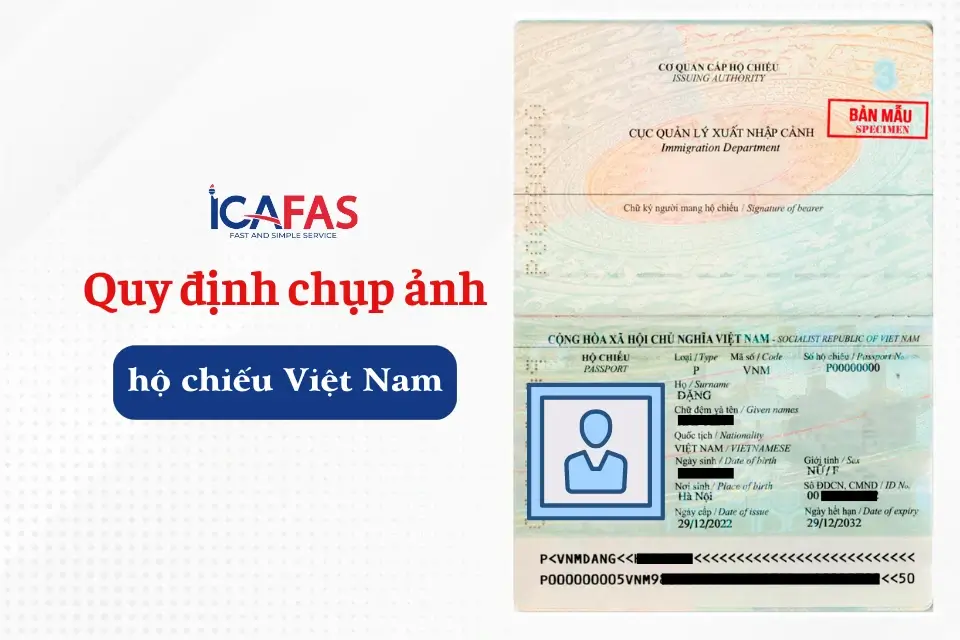
- A valid Vietnamese passport in good condition, with clear and intact personal information for verification during hospital registration
- Previous medical records, test results, and prescriptions (if available)
For individuals without a Vietnamese passport
If you no longer have a Vietnamese passport and use a foreign passport, you can still receive medical care in Vietnam, but you will be admitted as an international patient.
If you do not have a Vietnamese passport, you can still receive medical care at certain healthcare facilities such as:
- Private hospitals
- International hospitals
- International clinics or specialty clinics
- Some public hospitals accept international patients under service-based care
Giấy tờ cần chuẩn bị
- Valid foreign passport
- Valid Vietnamese visa or entry document
- Medical records, test results, and prescriptions (if available)
Note: Costs are usually charged at international patient rates, which may be higher than for those using a Vietnamese passport, especially at international hospitals.
Important notes when seeking medical care in Vietnam
Choose a hospital that suits your needs
Depending on your health condition, documents, and medical needs, you can choose between public hospitals or private/international hospitals for a more suitable option.
- Public hospitals: generally have lower costs and are suitable for long-term treatment. However, they are often crowded, so waiting times may be longer.
- Private or international hospitals: offer faster procedures, more flexible scheduling, and better service, but costs are usually higher than public hospitals.
If you need specialist or service-based care, it is recommended to book an appointment in advance to save time and avoid long waiting times.
Prepare finances before medical visits
Before returning to Vietnam for medical care, you should estimate costs such as consultation fees, tests, medications, and treatments. Costs may vary depending on the hospital and services chosen, so checking prices in advance can help you plan your finances.
Many hospitals and major healthcare facilities accept Visa or Mastercard, but it is still advisable to carry some cash, as some places may only accept cash or limit payment methods for certain services.
During medical treatment
To ensure a smooth medical visit and avoid unnecessary issues, you should:
- Bring your Vietnamese passport or foreign passport with a valid visa when visiting the hospital for registration.
- Ask about costs before undergoing tests, treatments, or using medical services.
- Keep all receipts, medical records, and test results for future reference or follow-up visits.
- If long-term treatment or monitoring is needed, discuss the treatment plan, timeline, and follow-up schedule with your doctor to better manage your time and expenses.
Conclusion
In general, people returning from the U.S. - whether they have a Vietnamese passport or not - can conveniently access medical services in Vietnam if they prepare the necessary documents, choose appropriate healthcare facilities, and plan their time and expenses accordingly. This helps ensure a smoother and more effective treatment process.