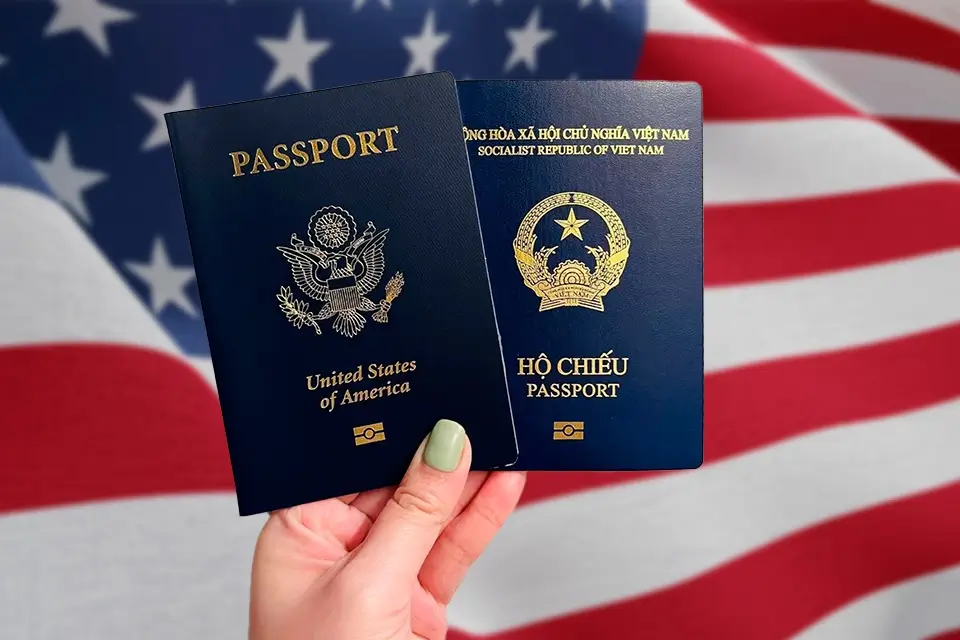
In recent years, an increasing number of Vietnamese living in the United States have chosen to maintain U.S. - Vietnam dual citizenship after becoming U.S. citizens. This allows them to enjoy the benefits of being a U.S. citizen while still retaining important rights when living, working, or investing in Vietnam.nIn this article, we will explain what U.S. - Vietnam dual citizenship is, who can maintain dual citizenship, and the key benefits of holding both nationalities.
What Is Dual Citizenship (Holding Two Nationalities)?
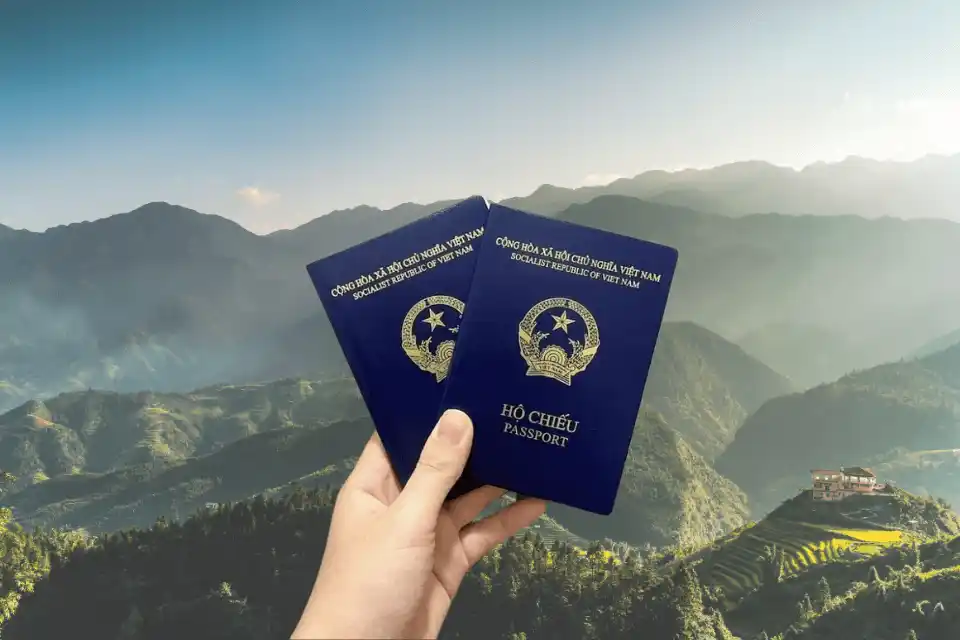
Dual citizenship is recognized when a person is acknowledged as a citizen by two different countries. Possessing a passport from each country serves as proof of that citizenship.
The United States does not prohibit its citizens from holding a second nationality. Therefore, when a person becomes a U.S. citizen, they may still maintain the citizenship of another country if the laws of that country allow it.
According to guidance from the U.S. Department of State, U.S. citizens with multiple nationalities must use their U.S. passport when entering or leaving the United States and may use the passport of their other country when entering that country.
Can Vietnamese citizenship be retained after becoming a U.S. citizen?
Vietnamese citizens who obtain U.S. citizenship do not automatically lose their Vietnamese citizenship, unless they apply to renounce it or fall under cases of loss of citizenship as prescribed by law.
This situation is commonly seen in the following cases:
- Vietnamese nationals who later become U.S. citizens
- Individuals born in the United States whose father or mother is a Vietnamese citizen
- People of Vietnamese origin whose Vietnamese citizenship has been officially recognized
Conversely, for foreigners without Vietnamese origin, obtaining Vietnamese citizenship is generally more difficult and requires meeting various conditions under the Vietnamese Law on Nationality.
Benefits of Maintaining Dual Citizenship Between the United States and Vietnam
Holding U.S. citizenship offers many benefits in areas such as education, healthcare, and social welfare. However, if you also maintain Vietnamese citizenship, you can gain additional advantages when living, investing, and traveling between the two countries. Below are some notable benefits of maintaining U.S. - Vietnam dual citizenship:
Easier Entry into Vietnam
Vietnamese citizens can enter Vietnam at any time using their Vietnamese passport without needing to apply for a visa. The entry procedures are also simpler and faster compared to using a visa or visa exemption.
As a result, many Vietnamese living in the United States choose to return to Vietnam to visit family, travel, or use healthcare services at more affordable costs compared to the U.S. In recent years, medical travel - such as dental implants, fertility treatments (IVF), and vision correction surgery - has also become increasingly popular.
Can reside in Vietnam without time limitations
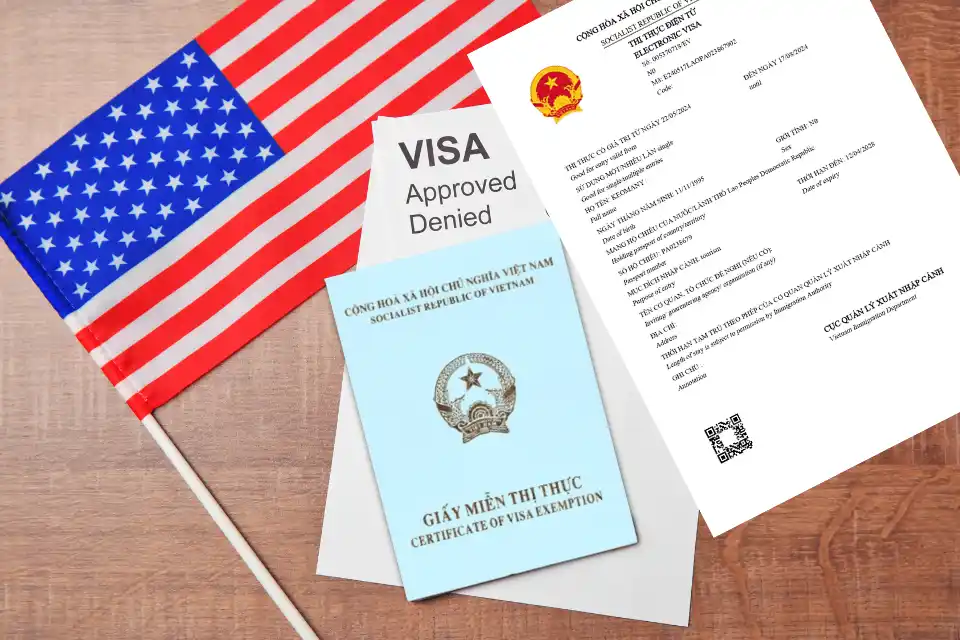
If entering Vietnam with a visa or a 5-year visa exemption, foreign nationals are only allowed to stay in Vietnam for a limited period of time and are usually required to exit the country afterward.
In contrast, if you use a Vietnamese passport, you can stay in Vietnam without any time limitations and do not need to extend a visa. This makes it convenient for many Vietnamese living in the United States who wish to return to Vietnam for long-term living or retirement.
Property Ownership Rights Similar to Vietnamese Citizens
Foreigners who purchase real estate in Vietnam are typically allowed to own the property for a maximum period of 50 years.
In contrast, Vietnamese citizens can buy, own, and transfer real estate with the same rights as residents within the country. This creates favorable conditions for people with dual citizenship who wish to invest in or own property in Vietnam.
Not Subject to Certain Fees Applied to Foreigners
Some services in Vietnam have different pricing for Vietnamese citizens and foreign visitors, such as entrance tickets to tourist attractions, travel services, or certain entertainment activities.
In addition, certain areas may restrict access for foreign nationals. When you hold Vietnamese citizenship, you will not face these restrictions or differences in pricing.
Greater Advantages for Investing and Doing Business in Vietnam
Vietnamese citizens can establish businesses and invest in Vietnam as domestic investors, rather than having to comply with the regulations that apply to foreign investors.
This provides greater flexibility for business and investment activities. However, if you operate between the United States and Vietnam, you should carefully review the tax regulations of both countries to avoid the possibility of double taxation.
Conclusion
Maintaining U.S. - Vietnam dual citizenship offers many benefits for those who frequently travel, live, or invest between the two countries. In addition to convenient entry and residence in Vietnam, individuals with dual citizenship can also own real estate, invest in businesses, and access domestic services in Vietnam like Vietnamese citizens.
Therefore, many Vietnamese people choose to maintain their Vietnamese citizenship even after becoming U.S. citizens, in order to preserve convenience in their daily lives and support their long-term plans in Vietnam.